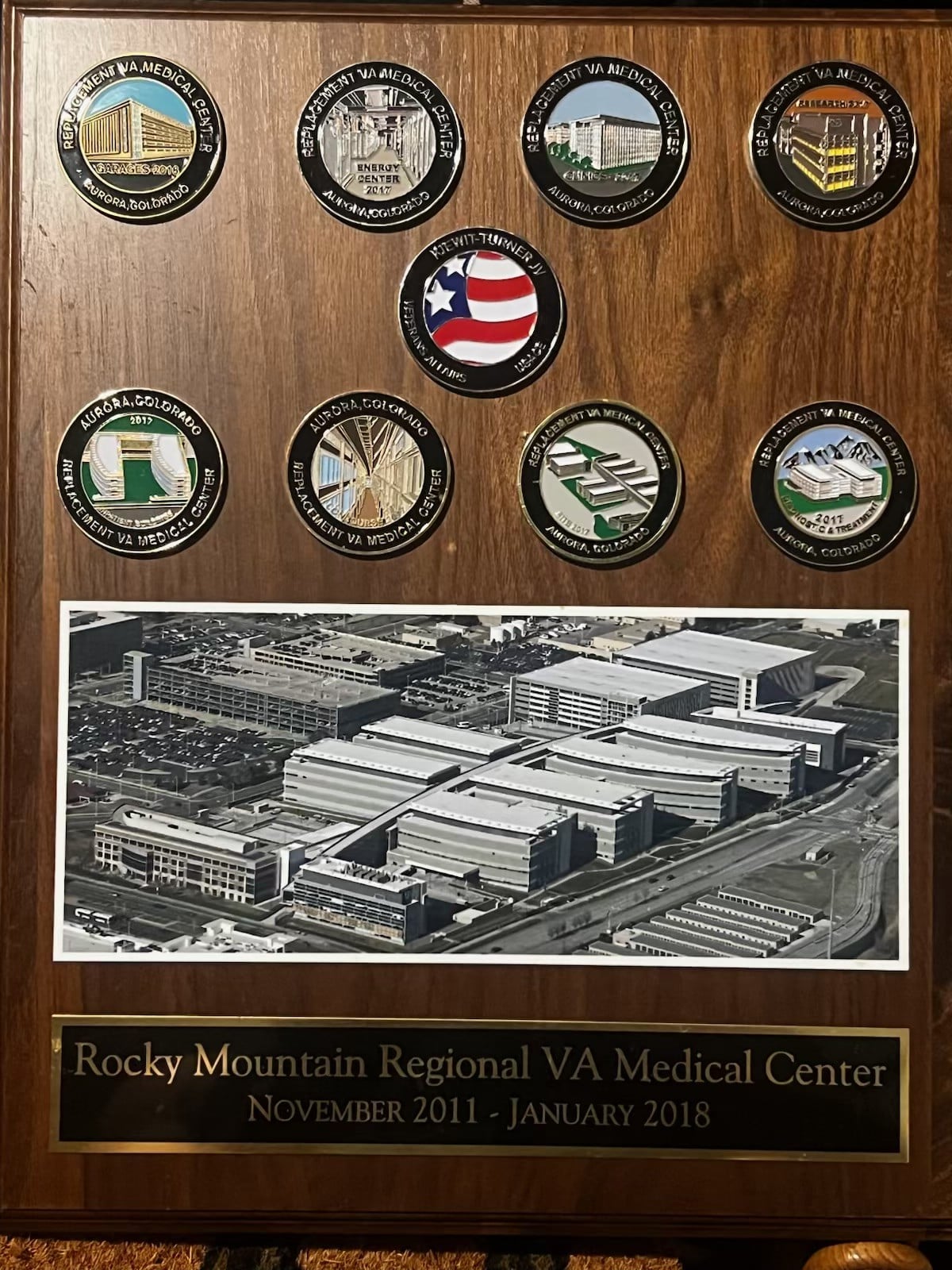
The Scale of the Challenge
When I joined the Denver VA Medical Center project in 2010, I knew I was stepping into something unprecedented. With a budget exceeding $1 billion and a scope that included a full replacement hospital, this wasn't just another construction project—it was a mission to serve our nation's veterans with world-class healthcare facilities.
The project spanned nearly a decade of my career, from 2010 to 2018, and during that time, I wore multiple hats: Document Control Manager, Subcontractor Coordinator, and Change Order Coordinator. Each role gave me a unique perspective on what it takes to manage a project of this magnitude.
Document Control: The Foundation
On a project this size, document control isn't just important—it's absolutely critical. We were managing thousands of submittals, RFIs (Requests for Information), transmittals, and contract documents. A single missing document or miscommunication could delay work for weeks and cost hundreds of thousands of dollars.
I implemented comprehensive systems to track every piece of documentation flowing through the project. This included:
- Submittal Management: Processing and tracking thousands of product submittals from subcontractors, ensuring compliance with specifications and maintaining approval timelines
- RFI Coordination: Managing the flow of technical questions and clarifications between field teams, design professionals, and the owner
- Transmittal Tracking: Maintaining detailed logs of all document exchanges to ensure nothing fell through the cracks
- Contract Document Control: Keeping all stakeholders working from the most current drawings and specifications
The key lesson here: on large projects, your documentation system must be bulletproof. We developed custom software solutions when off-the-shelf options didn't meet our needs, ensuring we could track and retrieve any document within seconds.
Coordinating Hundreds of Subcontractors
One of my primary responsibilities was subcontractor coordination, and with a project of this scale, that meant managing relationships with hundreds of specialized trade contractors. From mechanical and electrical systems to specialized medical equipment installations, every trade had to work in perfect harmony.
The challenges were numerous:
Scheduling Conflicts
With multiple trades working in the same spaces, scheduling became a complex puzzle. We had to sequence work carefully to ensure one trade's activities didn't interfere with another's. This required constant communication, weekly coordination meetings, and sometimes creative problem-solving to keep everyone moving forward.
Quality Control
Healthcare facilities have stringent quality requirements, and a VA hospital even more so. Every installation had to meet exacting standards. I worked closely with subcontractors to ensure they understood these requirements and had the resources to meet them.
Payment Processing
Managing pay applications for hundreds of subcontractors required meticulous attention to detail. Each application had to be verified against work completed, contract values, and previous payments. Any errors could cause disputes and damage relationships.
The Change Order Challenge
On a project that stretched nearly a decade, change was inevitable. Design modifications, unforeseen conditions, and evolving requirements meant we processed thousands of change orders. As Change Order Coordinator, I learned that managing change effectively is just as important as executing the original plan.
The key to successful change order management:
- Documentation: Every change had to be thoroughly documented with clear justification, cost impact, and schedule implications
- Prompt Processing: Delays in processing change orders could halt work and escalate costs. We established streamlined review processes to keep things moving
- Fair Negotiation: Working with subcontractors to arrive at fair pricing for changed work maintained good relationships and project momentum
- Impact Analysis: Understanding how each change affected other aspects of the project prevented cascade failures
Lessons from the Field
Nearly a decade on the Denver VA Medical Center taught me invaluable lessons about large-scale project management:
1. Communication is Everything
With hundreds of stakeholders, clear and consistent communication prevents most problems before they start. We held regular coordination meetings, maintained detailed meeting minutes, and ensured everyone had access to current information.
2. Systems and Processes Matter
You can't manage a billion-dollar project with sticky notes and spreadsheets. Robust systems for documentation, tracking, and reporting are essential. Sometimes that means investing in custom solutions.
3. Relationships Are Your Greatest Asset
When problems arise—and they always do—strong relationships with subcontractors, designers, and owners make solutions possible. Treating everyone with respect and fairness pays dividends throughout the project.
4. Attention to Detail Prevents Major Problems
Small oversights on large projects become big problems. Whether it's a missing document, an unchecked submittal, or a misunderstood specification, details matter. Building a culture of thoroughness across the entire team is crucial.
5. Flexibility Within Structure
While systems and processes provide necessary structure, you must remain flexible enough to adapt to changing conditions. The ability to pivot while maintaining control separates successful projects from troubled ones.
The Reward of Service
Beyond the professional challenges and growth, working on the Denver VA Medical Center carried special meaning. This wasn't just another building—it was a facility that would serve veterans for generations to come. Knowing that our work would directly impact the healthcare of those who served our country added purpose to every task.
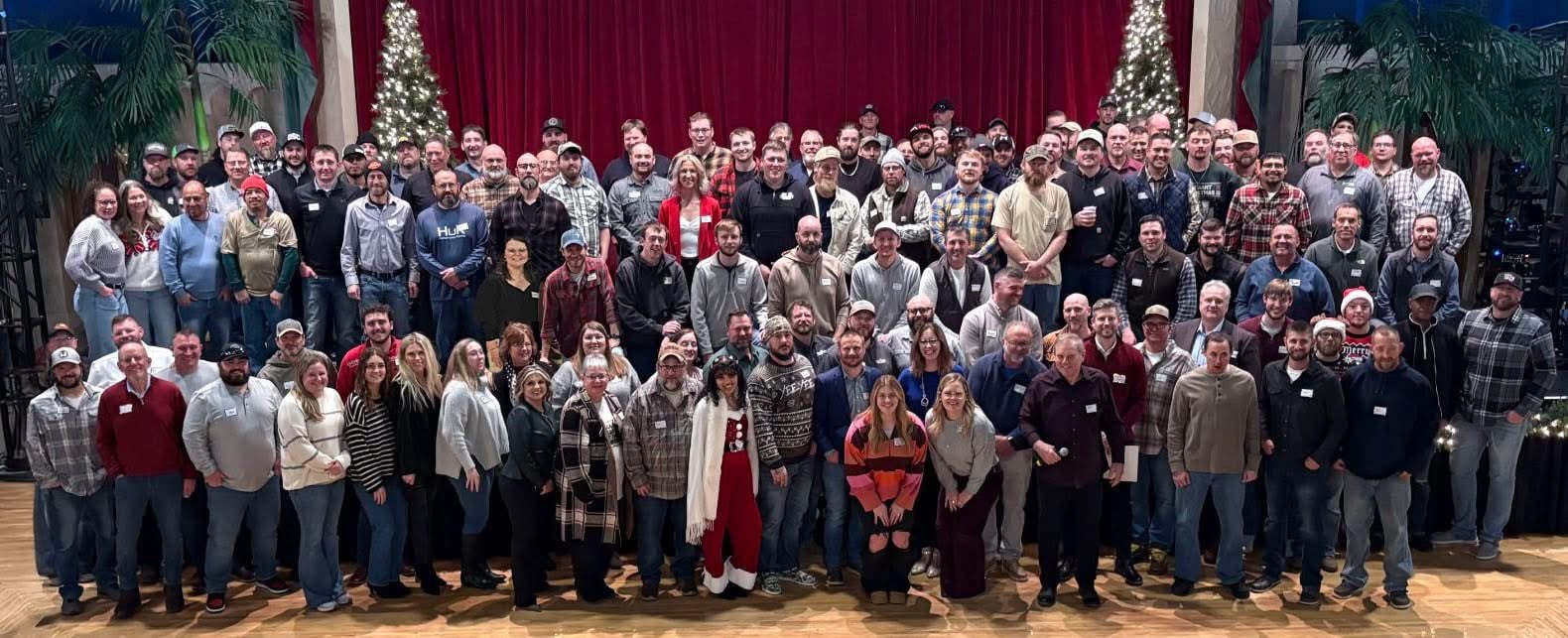
Team celebration during the Denver VA Medical Center project - the people behind the project
Walking through the completed facility and seeing it in operation, knowing that every document I processed, every subcontractor I coordinated with, and every change order I managed contributed to this vital mission, made the long hours and complex challenges worthwhile.
Applying These Lessons
The experience gained on the Denver VA project has informed every project I've managed since. Whether it's a smaller commercial build or another large-scale endeavor, the principles remain the same: meticulous documentation, clear communication, strong relationships, and unwavering attention to detail.
If you're facing a large, complex project and need someone who's been through the fire of billion-dollar federal construction, I'd welcome the opportunity to discuss how my experience can benefit your project.
Let's Discuss Your Project
Interested in learning more about managing large-scale construction projects? Let's connect.
Get In Touch