The Backbone of Modern Construction
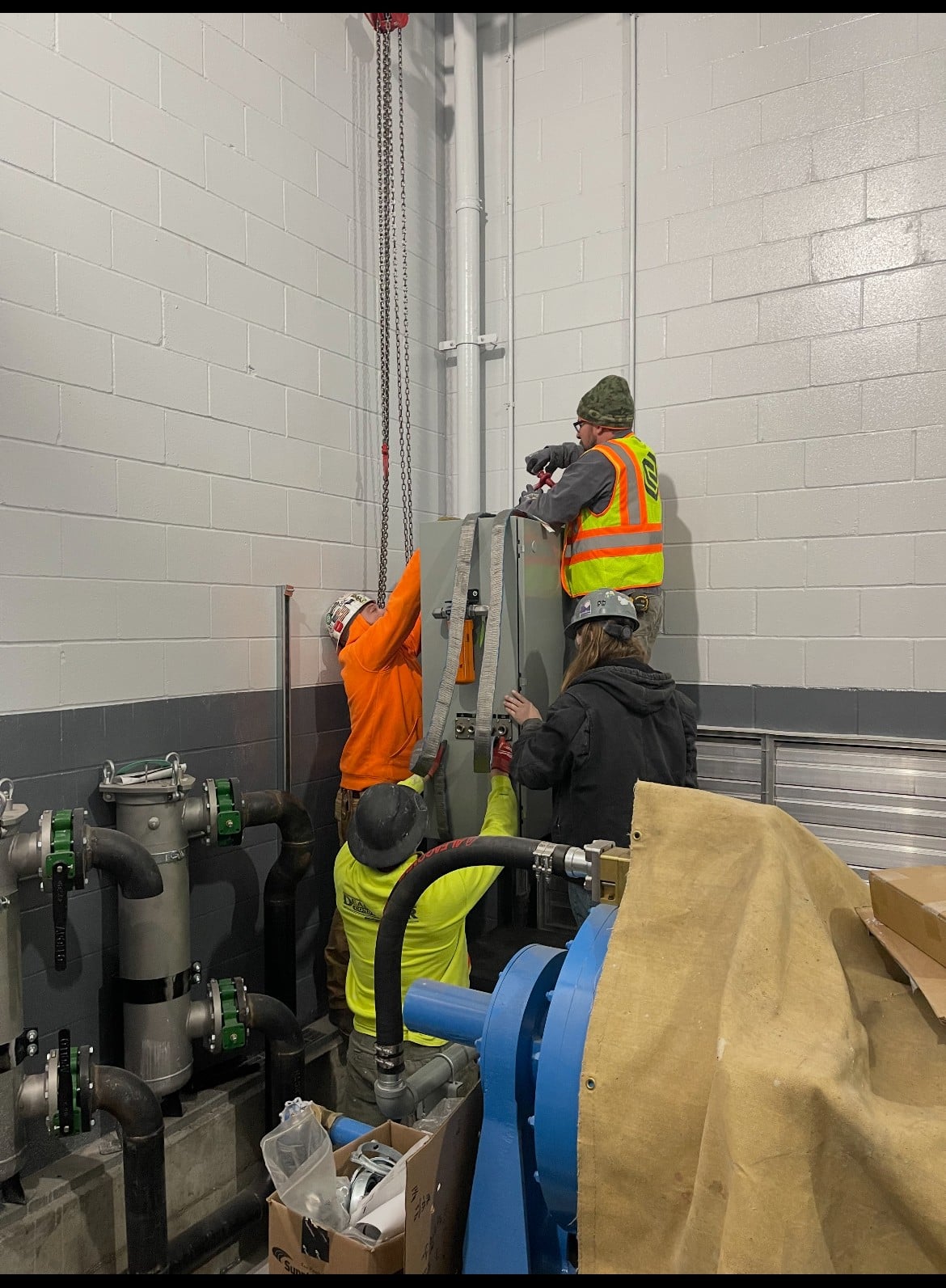
In today's construction industry, general contractors rarely self-perform all work. Instead, projects rely on a network of specialized subcontractors—electricians, plumbers, HVAC technicians, concrete specialists, and dozens of other trades. The general contractor's job becomes orchestrating this complex dance of specialists, ensuring everyone works together efficiently toward a common goal.
Having coordinated hundreds of subcontractors on projects ranging from residential builds to billion-dollar federal facilities, I've learned that effective subcontractor management is both an art and a science. It requires systems, processes, and technology—but also relationship skills, communication abilities, and problem-solving creativity.
Building Strong Relationships from the Start
Successful subcontractor coordination begins before the first shovel hits dirt. The foundation is built during the bidding and contract negotiation phase.
Pre-Qualification and Selection
Not all subcontractors are created equal. Taking time to properly pre-qualify and select subs pays dividends throughout the project:
- Verify Credentials: Check licenses, insurance, bonding capacity, and safety records
- Review Past Performance: Contact references and review previous project outcomes
- Assess Capabilities: Ensure they have the resources, equipment, and personnel for your project's scope
- Evaluate Communication: During bidding, note how responsive and clear they are—it's a preview of working relationships
Clear Contract Terms
Ambiguity in contracts creates disputes. I always ensure subcontracts clearly define:
- Detailed scope of work with specific inclusions and exclusions
- Schedule requirements and milestone dates
- Payment terms, including retention and conditions for release
- Change order procedures and pricing mechanisms
- Quality standards and inspection requirements
- Safety requirements and responsibilities
Taking extra time on contract clarity prevents countless problems later. When everyone understands their obligations from day one, coordination becomes much smoother.
Communication: The Daily Challenge
On active job sites, communication challenges multiply exponentially with each additional subcontractor. What works for coordinating two trades fails completely with twenty.
Structured Coordination Meetings
Regular coordination meetings are essential, but they must be structured to be effective:
Weekly Look-Ahead Meetings: Every week, I gather all active trades to review the upcoming two weeks. We discuss:
- Who's working where and when
- Potential conflicts and how to resolve them
- Material deliveries and storage needs
- Equipment requirements and coordination
- Any issues affecting multiple trades
Daily Huddles: On complex projects, brief morning huddles keep everyone aligned on the day's priorities and any overnight changes.
Meeting Minutes: Detailed minutes document decisions, commitments, and action items. This creates accountability and provides a record if disputes arise later.
Communication Technology
Modern projects require modern communication tools. I've implemented various systems over the years:
- Project Management Software: Centralized platforms where everyone can access current drawings, schedules, and documents
- Mobile Communication: Group messaging for quick coordination and problem-solving
- Digital Documentation: Photo and video documentation shared in real-time
- Cloud-Based File Sharing: Ensuring everyone works from current information
The key is choosing tools that enhance rather than complicate communication. Technology should make coordination easier, not add administrative burden.
Scheduling and Sequencing
Perhaps the most challenging aspect of subcontractor coordination is scheduling. Multiple trades need access to the same spaces at different times, and the sequence must be carefully orchestrated.
Creating Realistic Schedules
Effective scheduling requires understanding each trade's work:
- Know the Work: Understanding what each trade actually does helps create realistic durations
- Build in Buffer: Things go wrong. Schedules need contingency for weather, material delays, and unforeseen conditions
- Sequence Logically: Some work must follow other work. Understanding these dependencies prevents costly rework
- Consider Crew Sizes: Schedule must account for actual crew availability, not ideal scenarios
Managing Schedule Changes
No schedule survives contact with reality unchanged. Managing schedule changes effectively is crucial:
- Early Warning: Identify potential delays as early as possible to adjust
- Communicate Impacts: When one trade delays, immediately communicate to affected trades
- Find Solutions Collaboratively: Work with subs to find creative solutions—overtime, additional crews, revised sequences
- Document Everything: Track schedule changes and their causes for future reference
Payment Processing: Keeping Everyone Motivated
Nothing damages subcontractor relationships faster than payment problems. Conversely, fair and prompt payment creates loyalty and motivation.
Efficient Pay Application Processing
I've developed a systematic approach to processing pay applications:
Clear Deadlines: Establish and communicate clear deadlines for pay application submission. This allows time for review before owner payment deadlines.
Thorough Review: Each application gets reviewed for:
- Accuracy of work quantities claimed
- Proper backup documentation
- Compliance with contract terms
- Lien waivers and releases
- Stored materials verification
Prompt Communication: If there are issues with an application, communicate immediately rather than waiting until payment day. Give subs time to correct problems.
Consistent Processing: Process applications on a consistent schedule. Subcontractors plan their cash flow around payment expectations.
Handling Payment Disputes
Disputes over payment amounts are inevitable. My approach:
- Address Immediately: Don't let payment disputes fester
- Review Documentation: Base decisions on contract terms and documentation, not emotions
- Find Middle Ground: Sometimes partial payment for disputed work keeps the project moving while issues resolve
- Be Fair: Reputation matters. Being known as fair in payment disputes attracts better subcontractors
Change Order Management
Changes are inevitable in construction. How you handle change orders with subcontractors significantly impacts project success.
Clear Change Order Procedures
Establish and communicate clear procedures for change orders:
- Written Authorization: No work proceeds without written authorization
- Pricing Before Work: Agree on pricing before work starts whenever possible
- Time and Materials: When pricing isn't possible upfront, establish clear T&M rates and documentation requirements
- Prompt Processing: Process change orders quickly to prevent cash flow problems for subs
Fair Pricing Negotiations
Change order pricing can be contentious. My philosophy:
- Market-Based Pricing: Prices should reflect market rates, not take advantage of captive subcontractors
- Consider Disruption: Changes often disrupt planned work. Fair pricing accounts for this
- Document Basis: Whether negotiated or T&M, document the basis for pricing
- Build Relationships: Fair change order handling builds trust for future projects
Quality Control and Coordination
Ensuring quality while coordinating multiple trades requires vigilance and clear standards.
Pre-Installation Meetings
Before major installations, hold meetings with affected trades to review:
- Quality standards and specifications
- Inspection requirements and timing
- Coordination with other trades
- Mock-ups or samples if required
Regular Inspections
Catch quality issues early through regular inspections:
- Walk the site daily, observing all active work
- Document observations with photos
- Address deficiencies immediately, while correction is easy
- Recognize good work—positive reinforcement motivates quality
Problem-Solving and Conflict Resolution
Even with the best planning, conflicts arise between trades. Effective coordination includes mediating these conflicts.
Common Conflicts
Typical issues I've mediated include:
- Disputed work boundaries—where one trade's scope ends and another's begins
- Damage to completed work by subsequent trades
- Access conflicts—multiple trades needing the same space
- Material storage disputes
- Equipment conflicts
Resolution Strategies
My approach to conflict resolution:
- Address Quickly: Small conflicts escalate if ignored
- Hear All Sides: Understand each party's perspective before deciding
- Reference Contracts: Base decisions on contract terms when possible
- Find Win-Win: Look for solutions that work for everyone
- Make Clear Decisions: When compromise isn't possible, make clear, fair decisions and move forward
The Long-Term View
Effective subcontractor coordination isn't just about the current project—it's about building relationships for future projects.
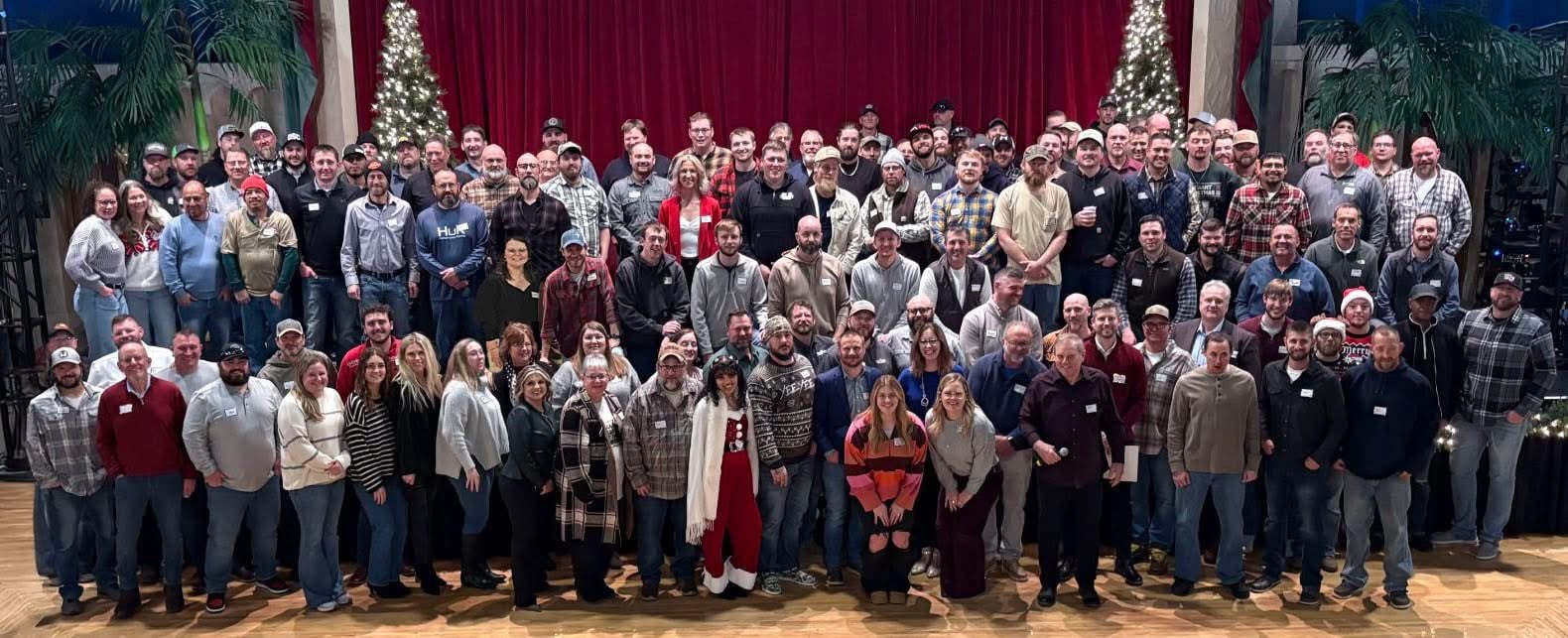
Building strong relationships with team members and subcontractors
The best subcontractors have choices about which projects they take and which general contractors they work with. By coordinating effectively, paying fairly, communicating clearly, and treating subs with respect, you build a network of quality subcontractors who want to work with you.
This network becomes a competitive advantage. When you can staff projects with proven, reliable subcontractors who trust you and work well with your team, project success becomes much more predictable.
Need Project Coordination Expertise?
Looking for someone who can effectively coordinate complex projects with multiple subcontractors? Let's discuss your needs.
Get In Touch