
Starting from the Ground Up
My construction career didn't begin in an office with blueprints and schedules. It started with a hammer in my hand, working as a laborer on job sites. I spent years in the field—framing houses, running equipment, learning the trades from the inside out. At the time, I didn't realize I was building the foundation for a project management career that would span decades.
Looking back, those early years in the field were the most valuable education I could have received. No classroom or textbook can teach you what you learn by actually building things, working alongside skilled tradespeople, and experiencing firsthand the challenges that arise on construction sites.
The Value of Field Experience
When I eventually transitioned into project management roles, my field experience became my greatest asset. Here's why hands-on construction experience matters so much for project managers:
Understanding the Reality of the Work
Having swung the hammer myself, I understand what I'm asking of field crews. When I review a schedule or estimate how long a task should take, I'm not guessing—I'm drawing from experience. I know the difference between what looks simple on paper and what's actually achievable in the field.
This understanding prevents unrealistic expectations and helps me build schedules that account for the real challenges crews face. It also means I can spot problems in plans before they reach the field, saving time and money.
Earning Respect and Credibility
Field crews can spot a project manager who's never held a tool from a mile away. When you've been in the trenches yourself, it changes the dynamic entirely. Workers know you understand their challenges, respect their expertise, and won't ask them to do something impossible.
This credibility is invaluable when you need to push a crew to meet a deadline or ask them to tackle a difficult task. They know you're not asking from ignorance—you're asking because it needs to be done, and you understand what it takes.
Problem-Solving from Experience
Construction is problem-solving. Every day brings new challenges, and the best solutions often come from experience. When a field superintendent calls with a problem, my first instinct isn't to check the manual—it's to draw from similar situations I've encountered.
Whether it's figuring out how to sequence work in a tight space, finding a creative solution to a design conflict, or knowing when to push back on an impractical request, field experience gives you a mental library of solutions to draw from.
Making the Transition
Transitioning from field work to project management wasn't a single moment—it was a gradual evolution. Here's how it happened for me and the lessons I learned along the way:
Taking on More Responsibility
The transition started with small increases in responsibility. As a skilled carpenter and equipment operator, I began taking on lead roles—coordinating small crews, managing material deliveries, and helping with scheduling. These early leadership experiences taught me the basics of managing people and resources.
Each new responsibility was a stepping stone. I learned to read plans more thoroughly, understand specifications, and think beyond just the task in front of me to how it fit into the larger project.
Embracing the Office Side
Moving from field work to an office environment was one of the biggest adjustments. The skills that made me successful in the field—physical capability, tool proficiency, hands-on problem-solving—needed to be supplemented with new skills:
- Documentation: Learning to maintain detailed records, process submittals, and manage the paper trail that keeps projects moving
- Software Proficiency: Mastering project management software, scheduling tools, and document control systems
- Communication: Developing written and verbal communication skills for dealing with owners, architects, and stakeholders
- Financial Management: Understanding budgets, cost tracking, change orders, and the business side of construction
The key was recognizing that these weren't replacements for field skills—they were additions to them. The most effective project managers combine field knowledge with office capabilities.
Learning to Lead from Behind
One of the hardest lessons was learning that as a project manager, your job isn't to do the work anymore—it's to enable others to do their best work. This meant:
- Trusting skilled tradespeople to do their jobs without micromanaging
- Focusing on removing obstacles rather than solving every problem yourself
- Providing resources, information, and support instead of jumping in with tools
- Recognizing that your value now comes from coordination and planning, not physical labor
This was perhaps the most difficult adjustment. When you've been the person doing the work, it's hard to step back. But effective project management requires that perspective shift.
Bridging Field and Office
The best project managers serve as bridges between the field and the office. They translate between the practical realities of construction and the administrative requirements of contracts, regulations, and client expectations.
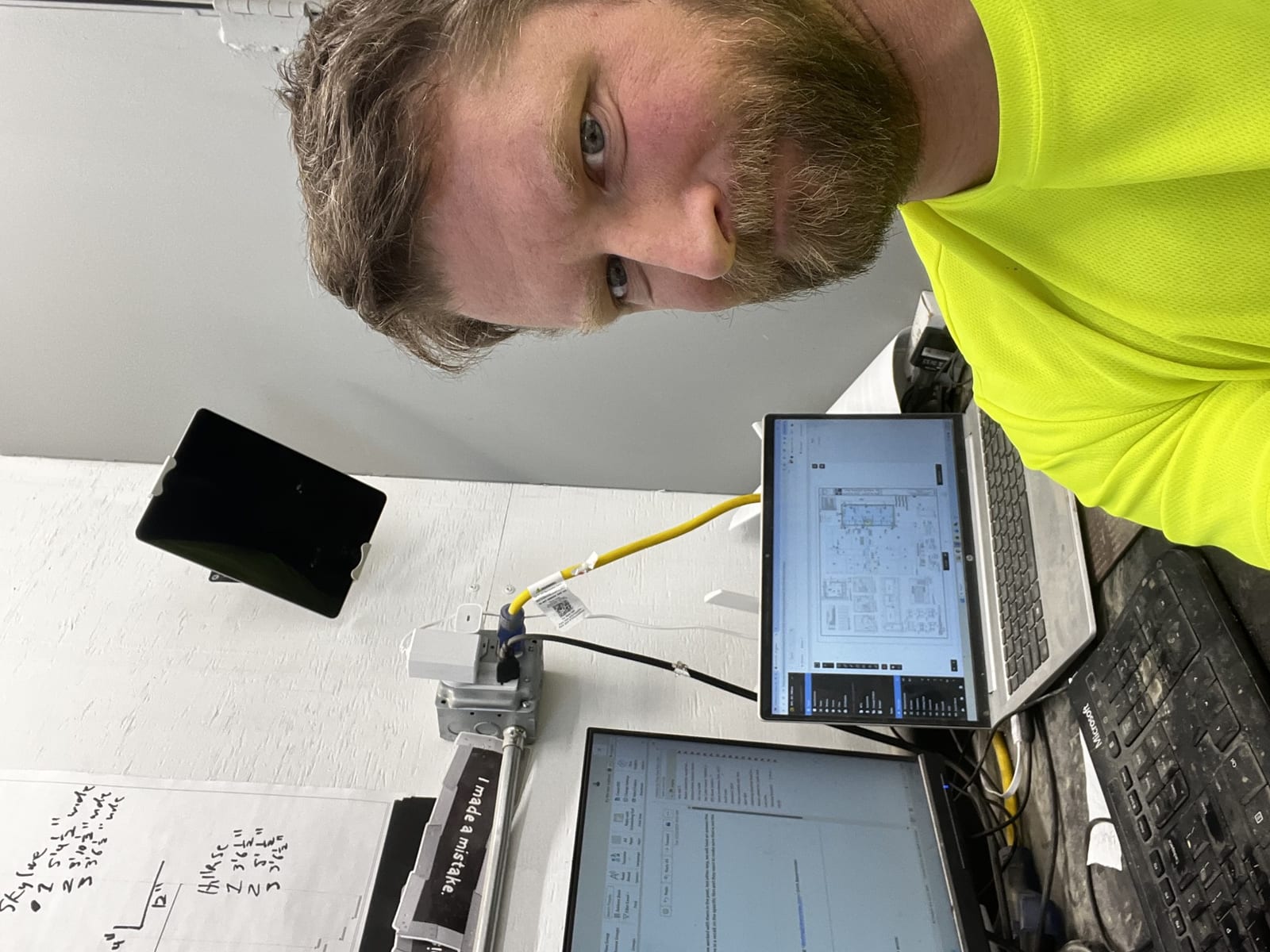
Field planning and blueprint review - essential skills for project management
Speaking Both Languages
Having worked in the field, I can communicate with crews in their language, understanding their concerns and constraints. At the same time, I've developed the ability to communicate with owners, architects, and executives in their language, focusing on schedules, budgets, and deliverables.
This bilingual capability is crucial. When the architect proposes a detail that looks great on paper but is impractical to build, I can explain the field challenges in terms they understand. When a crew says something "can't be done," I can dig into whether it's truly impossible or just difficult, and find solutions.
Maintaining Field Connections
Even as I moved into management roles, I made it a point to maintain connections with field operations. Regular site visits, conversations with crews, and staying current with construction methods kept me grounded in the reality of the work.
Project managers who lose touch with field operations become less effective. The construction industry evolves—new methods, new materials, new equipment. Staying connected ensures you continue to make informed decisions.
Lessons for Aspiring Project Managers
If you're working in the field and aspiring to move into project management, here's my advice:
1. Value Your Field Time
Don't rush to get out of the field. Every hour you spend doing hands-on work is an investment in your future management career. Learn as many trades as you can. Understand how different systems interact. Build relationships with skilled craftspeople.
2. Start Learning the Office Side Early
Even while working in the field, start developing office skills. Learn to read plans thoroughly. Understand specifications. Familiarize yourself with project management software. Take on documentation tasks when opportunities arise.
3. Develop Leadership Skills
Look for opportunities to lead, even in small ways. Coordinate with other trades. Mentor less experienced workers. Take responsibility for material management or scheduling on smaller tasks. Leadership skills develop through practice.
4. Understand the Business Side
Construction is a business. Learn about estimating, budgets, contracts, and the financial aspects of projects. Understand how decisions in the field impact the bottom line. This business acumen is crucial for project management success.
5. Never Stop Learning
The construction industry constantly evolves. New technologies, methods, materials, and regulations emerge regularly. Commit to continuous learning—whether through formal education, industry publications, or learning from experienced colleagues.
The Ongoing Journey
Transitioning from field work to project management isn't a destination—it's an ongoing journey. Even after years in management roles, I continue to learn and adapt. Each project brings new challenges, and my field experience continues to inform my decisions.
The combination of hands-on construction knowledge and project management skills creates a powerful foundation for success. Whether you're managing a small residential project or a billion-dollar federal facility, understanding both the field and office sides of construction makes you a more effective leader.
If you're on this journey yourself, embrace both aspects. Value your field experience while developing office skills. The construction industry needs project managers who understand the reality of building—who can bridge the gap between plans and execution, theory and practice.
Let's Connect
Are you making the transition from field to office? Want to discuss project management strategies? Let's talk.
Get In Touch