The Beginning: Alaska and Hard Lessons
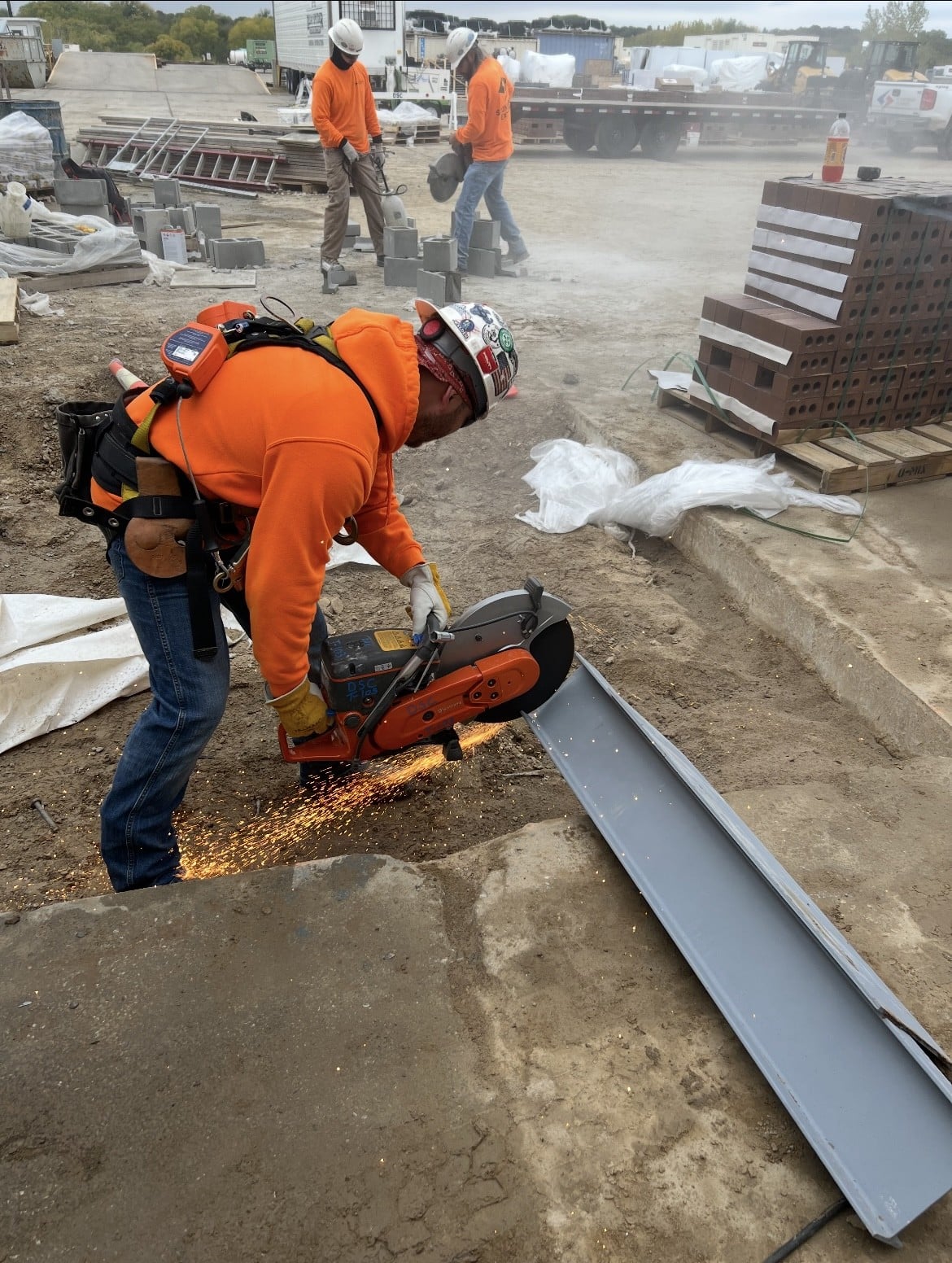
My construction career began in one of the most challenging environments imaginable—Alaska. From 2000 to 2009, I worked on various projects in conditions that tested both physical endurance and mental resilience. Winter temperatures that could freeze equipment overnight. Summer seasons so short that every day counted. Remote locations where a forgotten tool or material could cost days of delay.
Alaska taught me lessons that shaped everything that followed. When you're working in -30°F weather, you learn quickly what matters and what doesn't. You learn to plan thoroughly because mistakes are expensive. You learn to work with what you have because running to the hardware store isn't an option. You learn that preparation and adaptability aren't just good ideas—they're survival skills.
Lesson 1: Preparation Prevents Problems
In Alaska, we'd spend hours preparing for a task that might take thirty minutes to execute. Gathering tools, staging materials, ensuring backup plans for equipment failures. It seemed excessive until the day you needed it.
This lesson stuck with me. Throughout my career, I've seen projects fail not from lack of skill but from lack of preparation. The projects that succeed are the ones where someone thought through what could go wrong and prepared accordingly.
Lesson 2: Adaptability is Essential
No matter how well you prepare, things go wrong. Equipment breaks. Weather changes. Materials don't arrive. The ability to adapt—to find creative solutions with available resources—separates successful construction professionals from those who struggle.
Alaska forced adaptability. When you're on a remote site and something breaks, you can't wait for a replacement. You figure it out. You improvise. You make it work. This resourcefulness has served me countless times since.
Lesson 3: Respect the Work and the Workers
Construction in extreme conditions creates camaraderie. When everyone's facing the same challenges, hierarchy matters less than competence and reliability. The best crews I worked with in Alaska had mutual respect—everyone contributed, everyone mattered.
This shaped my management philosophy. Respect isn't about titles or positions—it's earned through competence, reliability, and treating others well. The best project managers I've known, and the manager I strive to be, lead through respect rather than authority.
The Evolution: From Tools to Management
My career evolved gradually from hands-on field work to project management. I started as a laborer and carpenter, progressed to equipment operator, then began taking on coordination and administrative roles. Each step built on the previous one.
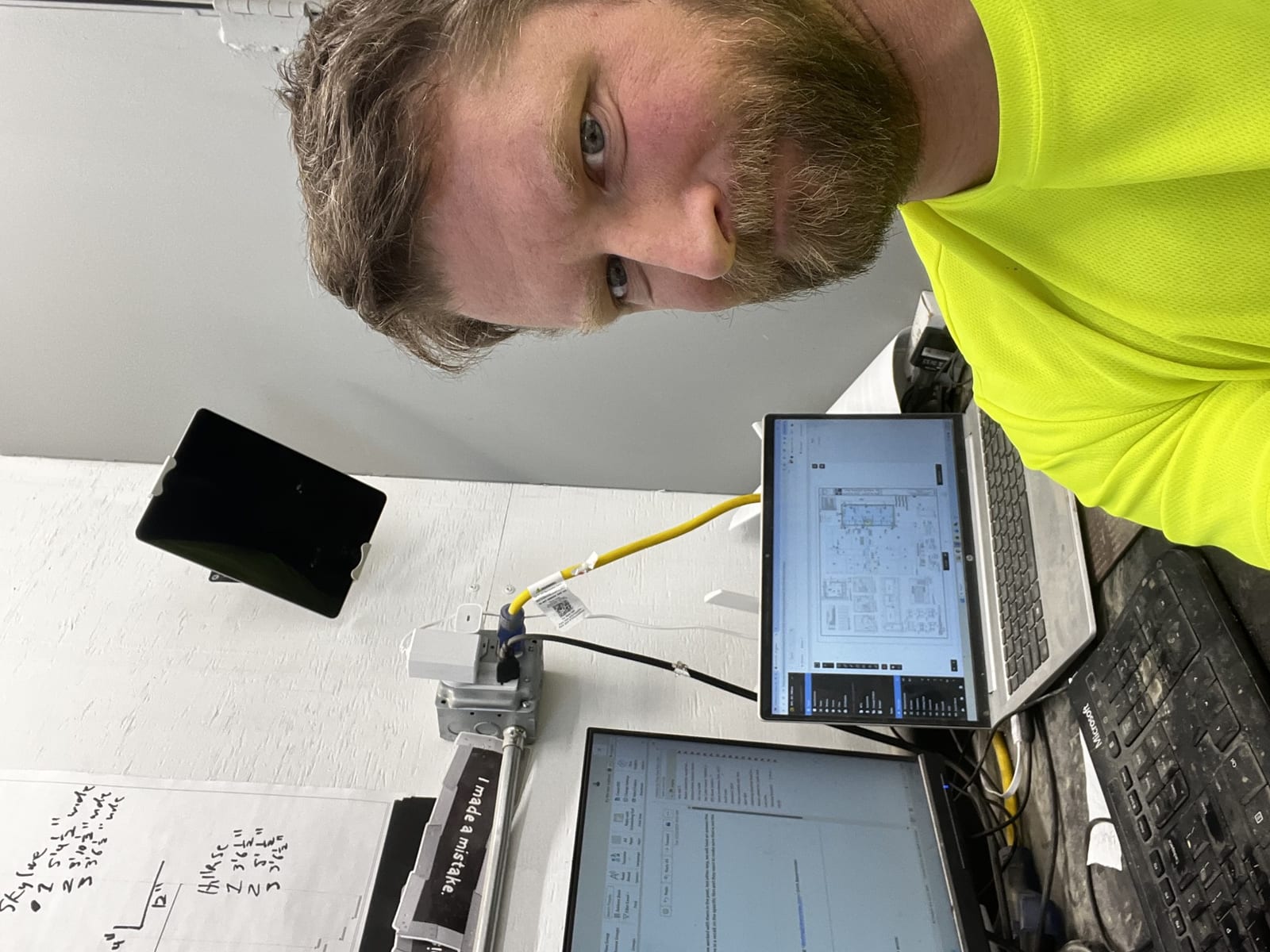
Reviewing project plans - the bridge between field experience and management
Lesson 4: Every Role Teaches Something Valuable
As a laborer, I learned the importance of clear communication and proper planning from the worker's perspective. As a carpenter, I learned precision and craftsmanship. As an equipment operator, I learned the importance of site logistics and sequencing.
Each role provided insights that informed my later management work. When I review schedules now, I understand what I'm asking of crews because I've done the work. When I coordinate equipment, I know the constraints because I've operated the machines. This comprehensive understanding makes me a better manager.
Lesson 5: Technical Skills Open Doors, People Skills Keep Them Open
Early in my career, I focused on developing technical skills—learning trades, mastering equipment, understanding construction methods. These skills got me opportunities. But as I moved into coordination and management roles, I learned that technical skills alone aren't enough.
The ability to communicate clearly, manage conflicts, motivate teams, and build relationships became equally important. Projects succeed or fail based on how well people work together. Technical excellence without people skills limits your impact.
Lesson 6: Document Everything
As I took on more responsibility, I learned the critical importance of documentation. Memories fade. People disagree about what was said. Disputes arise about what was agreed upon.
Good documentation—meeting minutes, email confirmations, photo records, daily reports—protects everyone and prevents disputes. This lesson led me to specialize in document control, where I learned that proper documentation isn't just CYA—it's how complex projects stay organized and on track.
The Denver VA Project: A Defining Experience
Nearly a decade on the Denver VA Medical Center project (2010-2018) was transformative. The scale, complexity, and duration of this billion-dollar federal healthcare facility taught lessons I couldn't have learned anywhere else.
Lesson 7: Systems Scale, Chaos Doesn't
What works on a small project often fails on large ones. You can manage a dozen subcontractors with spreadsheets and phone calls. You can't manage hundreds that way. Large projects require robust systems—for documentation, communication, coordination, everything.
I learned to build and implement systems that could handle scale. This meant investing time upfront in system design, training, and process documentation. The payoff came in efficiency and control as the project grew.
Lesson 8: Relationships Are Long-Term Assets
Working on the same project for nearly a decade, I saw the value of long-term relationships. Subcontractors I treated fairly in year one were still delivering quality work in year eight. Designers I communicated well with early on became trusted partners for solving complex problems later.
Conversely, I saw how damaged relationships created ongoing problems. Short-term thinking—squeezing subcontractors on price, being difficult in negotiations, poor communication—created long-term consequences.
This reinforced a philosophy: treat every interaction as the beginning of a long-term relationship, because in construction, you often work with the same people repeatedly.
Lesson 9: Master the Fundamentals, Then Innovate
The VA project required both rigorous adherence to proven processes and creative problem-solving. We followed established procedures for contract administration, safety, quality control—the fundamentals that keep projects on track. But we also innovated where needed, developing custom software and new workflows when standard approaches didn't fit our needs.
The lesson: master the fundamentals first, then innovate thoughtfully. Innovation without solid fundamentals creates chaos. Rigid adherence to standard approaches without innovation limits effectiveness.
Lesson 10: Patience and Persistence Win
A decade on one project teaches patience. Not everything happens on your timeline. Approvals take time. Decisions get delayed. Problems persist.
The professionals who succeeded on long-duration projects were those who maintained focus and persistence without burning out. They celebrated small victories, maintained perspective during setbacks, and kept pushing forward consistently.
Lessons About Leadership
As I took on more leadership responsibilities, I learned lessons about what makes effective leaders in construction:
Lesson 11: Lead by Example
You can't ask others to do what you won't do yourself. If you expect crews to show up on time, you better be there early. If you expect thorough documentation, your own records better be impeccable. If you expect professionalism, you better model it.
Leading by example isn't just about setting standards—it's about earning the respect that makes leadership effective.
Lesson 12: Empower, Don't Micromanage
Early in leadership roles, I made the mistake of trying to control everything. I learned that this doesn't scale and it doesn't develop people. Better to establish clear expectations, provide necessary resources, then trust people to execute.
When you empower skilled people and support their success, they deliver better results than when you micromanage. Plus, you develop future leaders rather than dependent followers.
Lesson 13: Communicate Clearly and Often
Most project problems trace back to communication failures. Assumptions made. Information not shared. Expectations unclear. The solution is consistent, clear communication.
I learned to over-communicate rather than under-communicate. Regular meetings, detailed documentation, follow-up emails confirming verbal discussions—these practices prevent most misunderstandings.
Lesson 14: Take Responsibility, Share Credit
When things go wrong, good leaders take responsibility rather than blame others. When things go right, they share credit with the team. This builds trust and loyalty.
I've seen leaders do the opposite—blame others for failures and take personal credit for successes. It destroys morale and undermines future cooperation.
Lessons About Professional Growth
Twenty-four years in construction has taught me about continuous professional development:
Lesson 15: Never Stop Learning
Construction constantly evolves—new methods, materials, technologies, regulations. Staying current requires commitment to continuous learning.
I've learned through formal training, industry publications, conferences, and most importantly, from experienced colleagues. The best construction professionals I know are perpetual students of their craft.
Lesson 16: Develop Complementary Skills
As my career progressed, I deliberately developed skills outside my core expertise. Project management skills complemented my field experience. Software development skills enhanced my document control capabilities. Business understanding informed my project decisions.
These complementary skills created unique value. Instead of competing with thousands of project managers with similar backgrounds, I offered a combination of skills few others had.
Lesson 17: Seek Challenges, Not Comfort
Growth comes from challenges, not from repeating what you already know. Throughout my career, I've sought projects and roles that pushed my capabilities.
Moving from residential to commercial to federal projects. Taking on document control management on an unprecedented scale. Developing custom software despite limited programming background. Each challenge expanded my capabilities.
Lessons About the Industry
Working across different project types, locations, and roles has given me perspective on the construction industry:
Lesson 18: Quality Never Goes Out of Style
Markets change. Technologies evolve. Trends come and go. But quality work always matters. Contractors known for quality work stay busy. Those known for cutting corners struggle.
Building a reputation for quality takes years. Destroying it takes one bad project. The investment in doing things right pays long-term dividends.
Lesson 19: Safety is Non-Negotiable
Early in my career, I saw safety as rules to follow. Experience taught me it's about people going home uninjured. Every safety procedure exists because someone got hurt.
The best projects I've worked on had strong safety cultures where everyone watched out for each other. The worst had cultures where safety was secondary to schedule or cost. That's backward—nothing is more important than safety.
Lesson 20: The Industry Needs Good People
Construction faces challenges attracting and retaining talent. The work is demanding. The conditions can be harsh. The hours are long.
But it's also incredibly rewarding. You build things that matter—hospitals, schools, homes, infrastructure. You solve complex problems. You work with skilled craftspeople. You see tangible results of your efforts.
The industry needs people who understand this—who see construction as a career worth pursuing and who help others see it too.
Looking Forward
Twenty-four years in, I'm still learning. Each project teaches new lessons. The industry continues to evolve, presenting new challenges and opportunities.
What hasn't changed is the fundamental nature of construction—bringing together people, materials, and methods to build something that didn't exist before. That creative, collaborative process remains as engaging as it was when I started.
The lessons learned—from Alaska's harsh conditions to billion-dollar federal projects—continue to guide my work. They inform how I approach projects, lead teams, solve problems, and develop professionally.
For those earlier in their construction careers, I hope these lessons provide useful perspective. For those considering construction careers, I hope they illustrate why this industry offers rewarding opportunities for those willing to work hard and learn continuously.
Let's Connect
Want to discuss construction careers, project management, or lessons learned? I'm always happy to connect with others in the industry.
Get In Touch